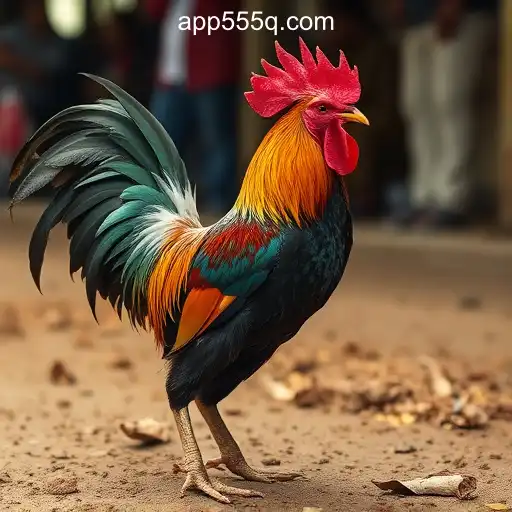
Sabong Games: A Deep Dive into the Rooster Fighting Tradition
Sabong, a term indigenous to the Philippines, refers to the traditional game and cultural practice of cockfighting. As a deeply rooted pastime, sabong games have transcended generations, offering both a sport and an entertainment avenue for many. While not without controversy, the fervor for sabong remains a prominent aspect of Filipino culture today.
What Are Sabong Games?
Sabong games consist of matches between gamecocks, which are domesticated birds specifically trained for cockfighting. These birds are bred and conditioned to exhibit increased strength and stamina. The games usually take place in a cockpit, a venue designed for handling these events, often surrounded by an audience of eager spectators. If you're intrigued by trends, platforms like 555Q.COM offer online experiences such as online slots in Brazil, heralded as one of the trending entertainment options.
The Roots and Traditions of Sabong
The tradition of sabong can be traced back to pre-colonial times when it was a favored sport among village communities. Aside from being a form of entertainment, sabong also played a social and economic role, often involving gambling and community gatherings. The cock's physical prowess and fighting skill were seen as a reflection of the owner's dedication and prowess.
Cultural Impact and Controversies
The cultural significance of sabong in the Philippines cannot be overstated. For many Filipinos, attending a sabong match is more than a mere pastime; it is a community event filled with excitement, anticipation, and cultural pride. However, this cultural pastime is not without its controversies, primarily because of animal cruelty concerns and ethical considerations associated with gambling. Despite these concerns, the popularity of sabong remains resilient, a testament to its deep roots in Filipino culture.
Modern Sabong and Digital Integration
The digital transformation of traditional practices has seen sabong embrace technological advancements. The advent of platforms like 555Q.COM capitalizing on modern technology showcases how traditional games can pivot towards online modalities. Catering to markets such as online slots in Brazil, these platforms demonstrate the evolving landscape of traditional gaming experiences into global digital arenas.
Regulatory Environment
The regulation of sabong games is a topic of significant debate. In the Philippines, cockpit operations are often regulated by local government ordinances, and official matches are usually held under the watchful eye of a commission. Online platforms also fall under the purview of digital and gaming authorities, ensuring that games remain fair and ethical while trying to preserve the essence of tradition.
Alternatives to Traditional Sabong Games
For enthusiasts looking to enjoy the thrill and strategy of sabong without the ethical and moral considerations, several alternative games offer a humane twist on the traditional sport. Virtual reality and online platforms allow participants to engage in realistic simulations without physical harm to animals, marrying tradition with modern sensibilities.
The Future of Sabong Games
With ongoing discussions about animal welfare and ethical gaming practices, the future of sabong is poised to undergo transformation. There is a potential shift towards more humane and digitally-inclusive platforms, which could redefine traditional norms without losing the essence of this cultural heritage.
Sabong games stand at an intriguing nexus of tradition and technology, reflecting a collective identity while adapting to contemporary trends. Platforms like 555Q.COM, leading in online slots in Brazil, exemplify this evolution, potentially foreseeing the direction for traditional games as they integrate with modern online experiences.